
Congratulations to the final 12 athletes who have been selected to represent Paralympics GB in Rio and commiserations to those in the squad who did not make it this time. Competition for places was strong but that is a good position for us to be in and one that will only increase as the benefits of our performance system, development squad, focus on coach development and the growth of our game takes root. We can be proud of where we have come from since the last games in 2012 and where we are going!
Hopefully many of you will have tuned in to the live streaming from Japan and watched BT GB progress through the Japan Para Wheelchair Rugby tournament to emerge eventual Silver medallists. This is a great result for the team who on the way to the final played all teams twice, winning both their games against the USA, and winning one of the two against both Australia and Japan, before going on to the final, where they lost to Australia. No-one is pretending this suddenly makes us world beaters, and we know that all teams at this point in their preparations are still trying things out and are willing to sacrifice wins for longer term gains, but following on from the strong Test Event results it does demonstrate that the team continues to learn and to progress. In particular it is encouraging to see the team’s growing composure under pressure. All nations are now stepping up their focus and intensity as Rio draws ever closer, but so are we and our coaches can be proud of where we are at the moment, though I know neither they nor our Performance Director are complacent, there is still a great deal to do if we are to be in with a shot at Rio. The more we play the top teams in the world, the more we learn and the less ‘shock of capture’ there is when we go into those big occasions such as Rio will be in September. Next up is the Canada Cup in Vancouver which will provide a further opportunity to take on these teams ahead of Rio.
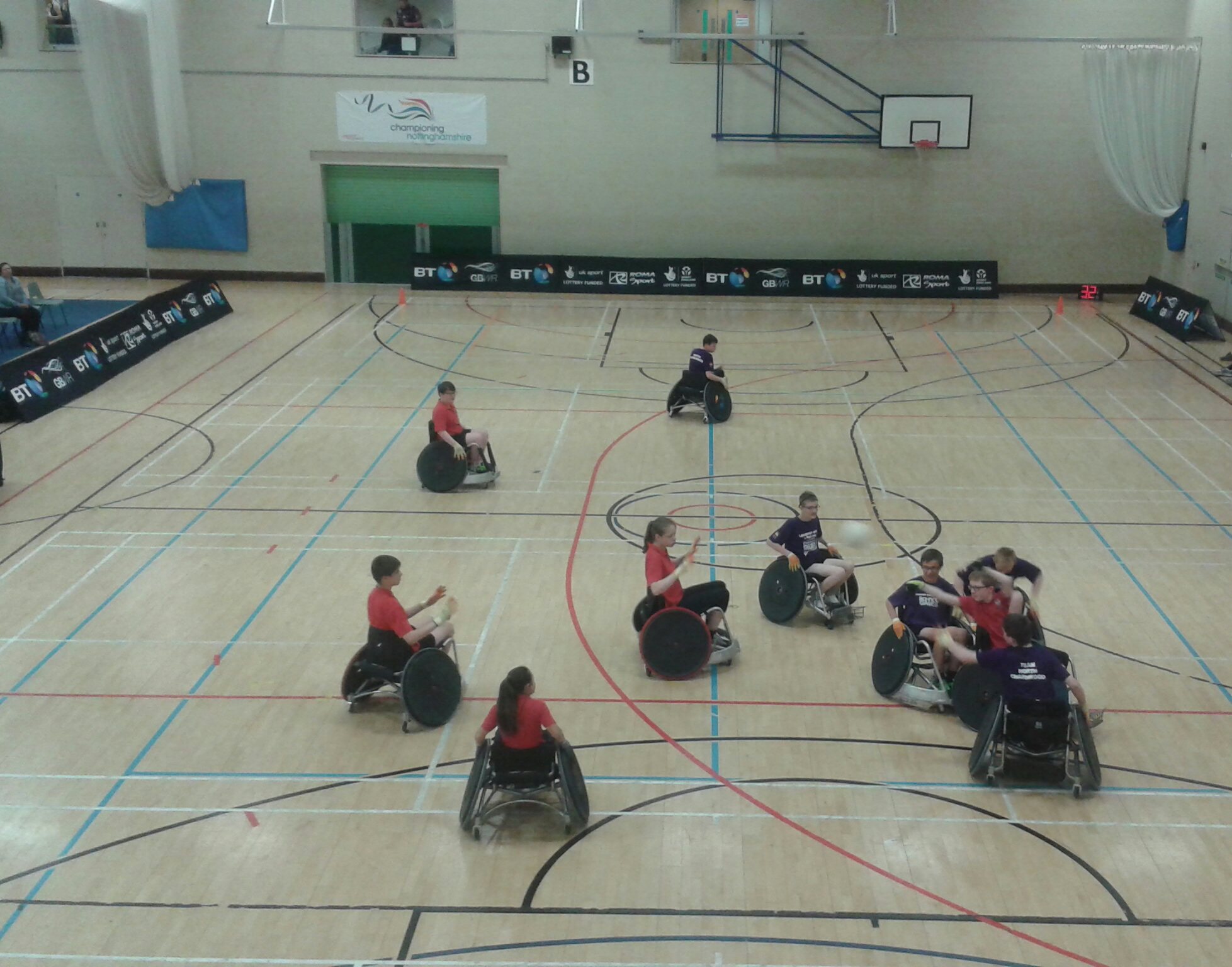
Meanwhile there is lots of development work ongoing and in particular over the summer we have a real focus on the development of our BT Youth Programme. Under Stuart McLindon, we have been doing a great deal around the Leicester and Nottingham area, building on our focus there from the GB Tri-Nations Tournament. Maplewell Hall (Leicester), Fernwood, and Rushcliffe schools (both Nottingham) took part in their own tri-tournament at Lee Westwood Sports Centre, Nottingham Trent University. This is a really encouraging step forward and much more focus will be placed on the development of youth over the coming months. Not only is it good to be giving this opportunity to a different population than we have done before but hopefully we will identify some youngsters who will go on to play for clubs and GB in the future.
I mentioned above the importance of coaching to our long term development and this week a big thank to Darren Matthews and Rob Tarr, both of who have been supporting the development of our Level 2 qualification by providing technical expertise and reviewing all of the documentation. We could not be creating this first ever accredited coaching programme without the expertise of those who have played and coached it over the years.
At last we saw this week the publication of Sport England’s new strategy ‘Towards an Active Nation’. I have now had a chance to read it a couple of times and it signals a clear change from what has gone before which will have an impact on all who wish to be funded in the future. The focus of the investment during the next cycle will be on the benefits sport can bring to people and society, built around a set of outcomes: physical wellbeing, individual development, social and community development and economic development. Funding will be directed to delivering these outcomes and success will be measured against improvements in each of them. Key to this will be tackling inactivity rather than a focus on those who are already active, though Sport England intends to help current organisations become more self sufficient and less reliant on public money. Key areas of focus will be: tackling inactivity; children and young people; volunteering; helping active people stay active; improving local partnerships and facilities. One big and significant change is that funding will not automatically go to NGBs, but instead will go to any organization who can demonstrate that it can deliver the results that are needed. This will likely mean that a number of new providers will be seeking funding including the commercial sector. It is early days yet but I feel confident that we have much to offer Sport England as a delivery partner and whilst we await the investment details which are due in a week or so, we as a senior management team are getting our early thoughts together ahead of what we intend to be a strong bid for future investment. With the work we already do with children and young people, a wide range of different impairment groups and the strong partnerships we have already in place, we feel confident we are well placed to really help Sport England and the DCMS to meet its objectives.
David Pond


