
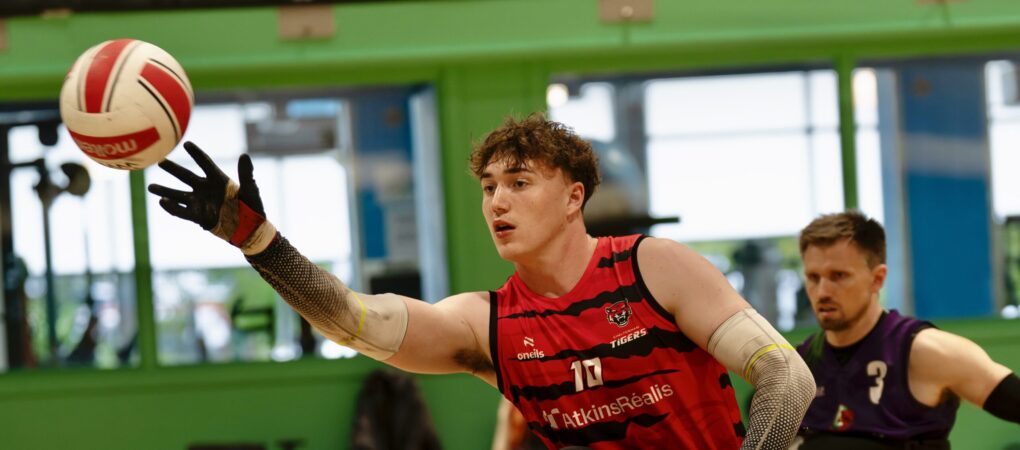
The Power of Family:
How Wheelchair Rugby Builds Mental Strength Through Community
By Great Britain Wheelchair Rugby | Mental Health Awareness Week 2025
This Mental Health Awareness Week (12–18 May 2025), we’re proud to join the national conversation around mental wellbeing. This year’s theme, “Community”, resonates deeply with us at Great Britain Wheelchair Rugby. Because for our athletes, wheelchair rugby is more than a sport—it’s a lifeline, a family, and a powerful source of mental resilience.
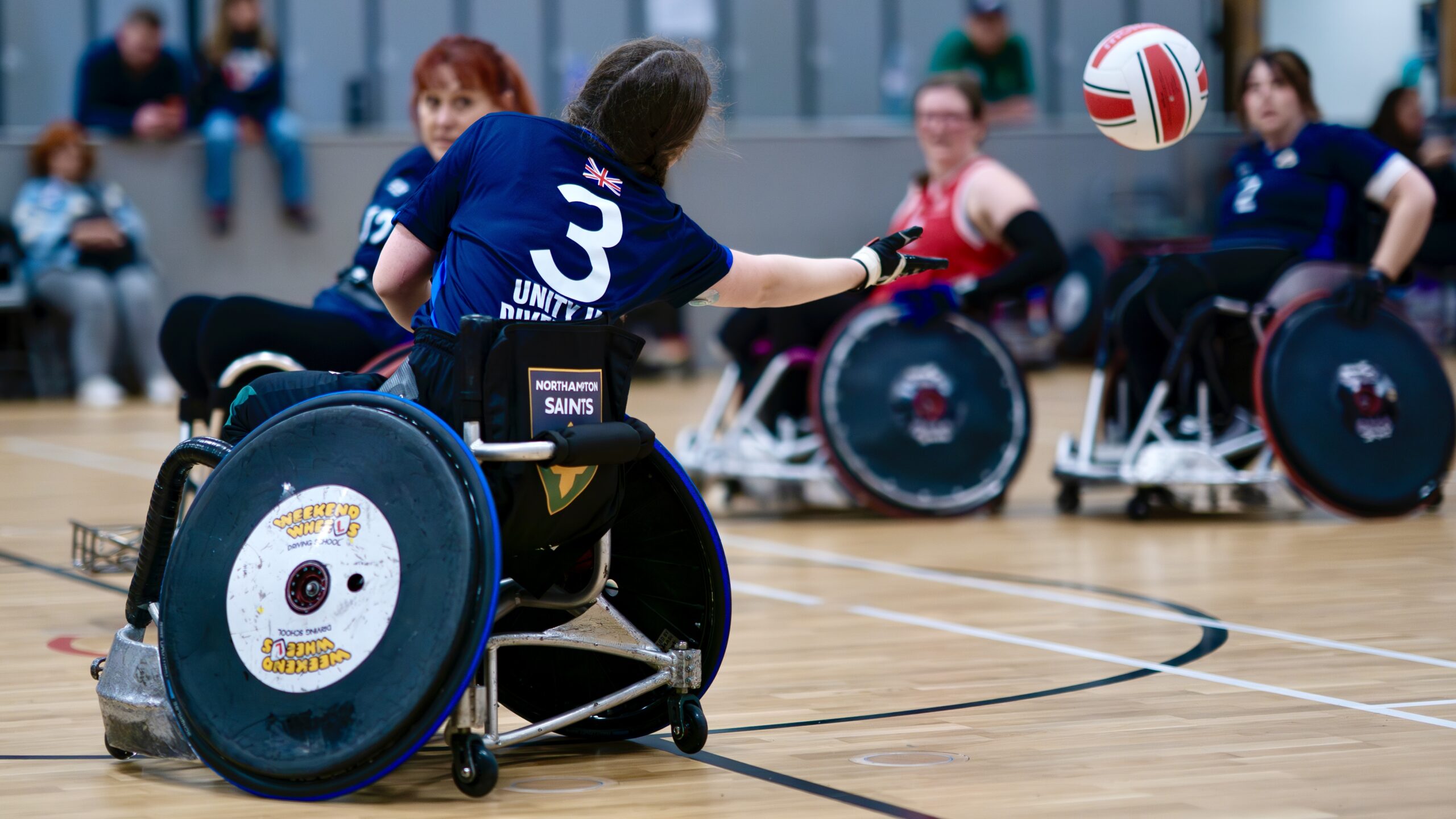
Why Mental Health Matters in Sport
Mental health challenges don’t discriminate. Whether you’re a Paralympian or a weekend warrior, the pressures of life—injury, isolation, identity, or transition—can weigh heavily. For many of our players, wheelchair rugby has been a transformative force, offering not just physical empowerment, but emotional healing.
The Rugby Community: A Mental Health Anchor
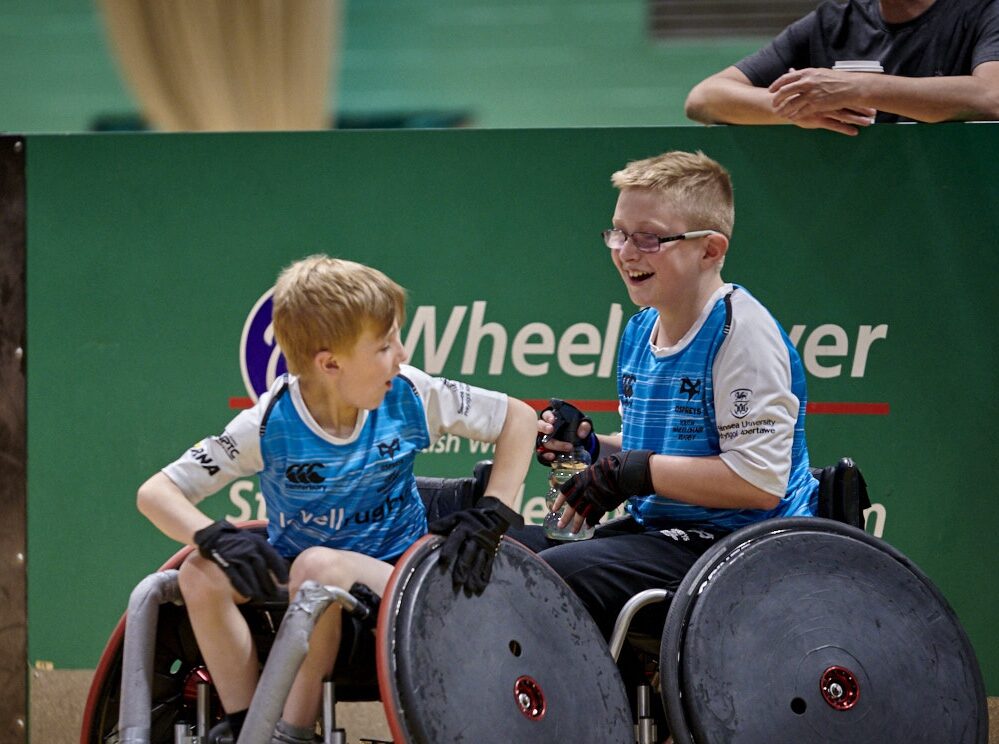
At the heart of wheelchair rugby is community—a tight-knit, supportive environment where players lift each other up, on and off the court. Here’s how that community helps build mental strength:
- Belonging and Identity: Many players join after life-changing injuries or diagnoses. Rugby offers a renewed sense of purpose and identity, reminding them they are not defined by disability, but by determination.
- Peer Support: Shared experiences create deep bonds. Players understand each other’s struggles and triumphs in ways few others can. That empathy is a powerful antidote to loneliness and stigma.
- Routine and Motivation: Regular training, competition, and team goals provide structure and motivation—key ingredients for mental wellbeing.
- Emotional Outlet: The intensity of the sport offers a healthy release for stress, frustration, and anxiety. It’s therapy in motion.
- Celebrating Progress: Whether it’s mastering a new skill or making the national team, every achievement is celebrated. That positive reinforcement builds confidence and self-worth.
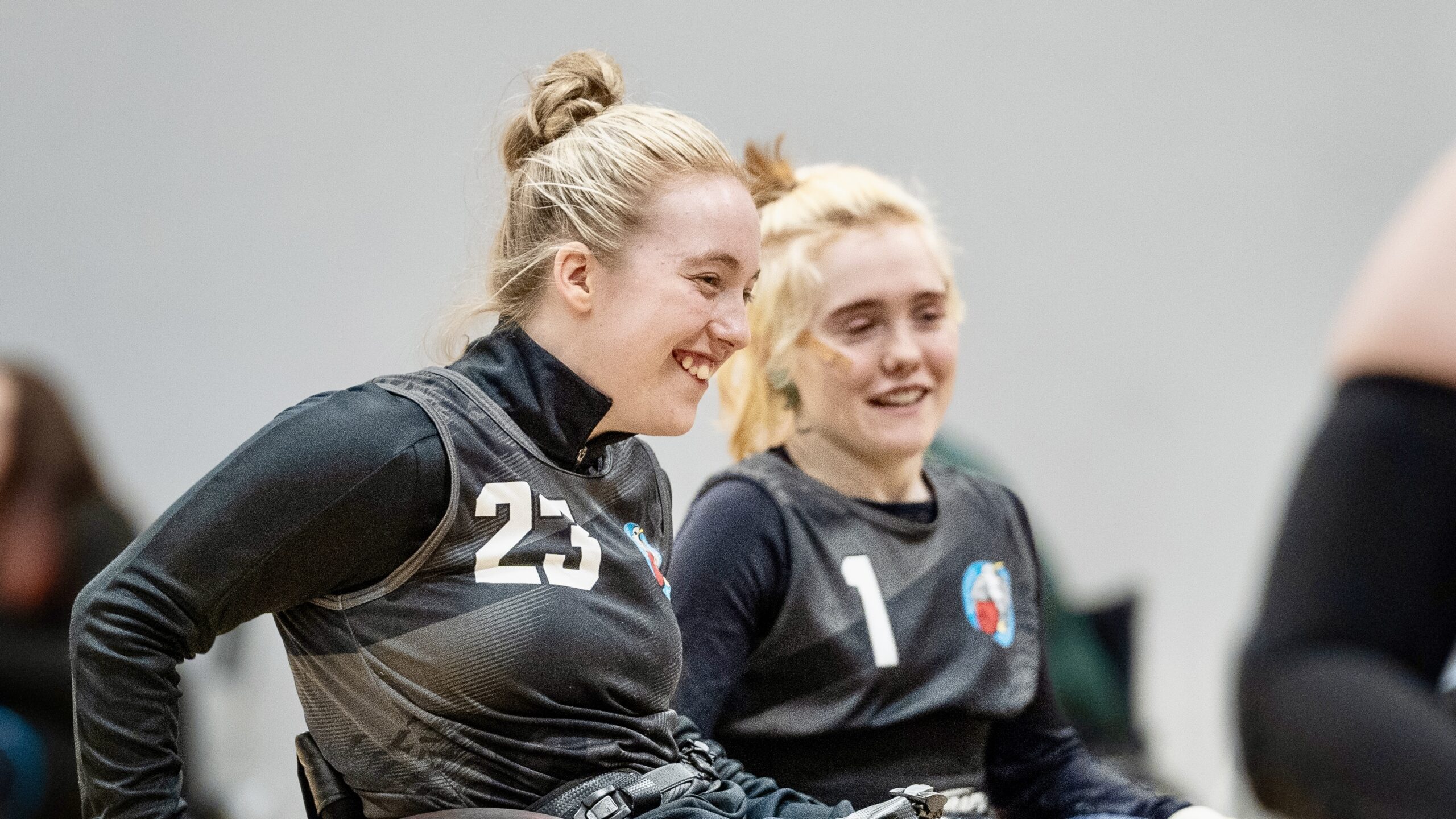
Real Stories, Real Impact
We’ve seen players come to us at their lowest—struggling with depression, anxiety, or PTSD—and find strength through the sport. One player described it best: “Wheelchair rugby gave me a reason to get out of bed again. It gave me my life back.”

Join the Movement
This Mental Health Awareness Week, we invite everyone to reflect on the communities that support them—and to consider how sport can be a powerful part of that support system.
Whether you’re a player, a fan, or someone looking for connection, there’s a place for you in the wheelchair rugby family. Because when we come together, we’re stronger—on the court and in life.


